Is Influencer Marketing / Celebrity Endorsements Not Deceptive Marketing?
by Kingsley Onwukaeme
Turn on the radio, drive past a massive billboard, flip through a newspaper, or scroll through TikTok and Instagram, and the message is the same. A smiling celebrity or popular influencer swears by a skincare cream, a weight-loss tea, a telecommunications network, or a fast-money investment app. They look you in the eye and tell you, “This changed my life, you need to try it.”
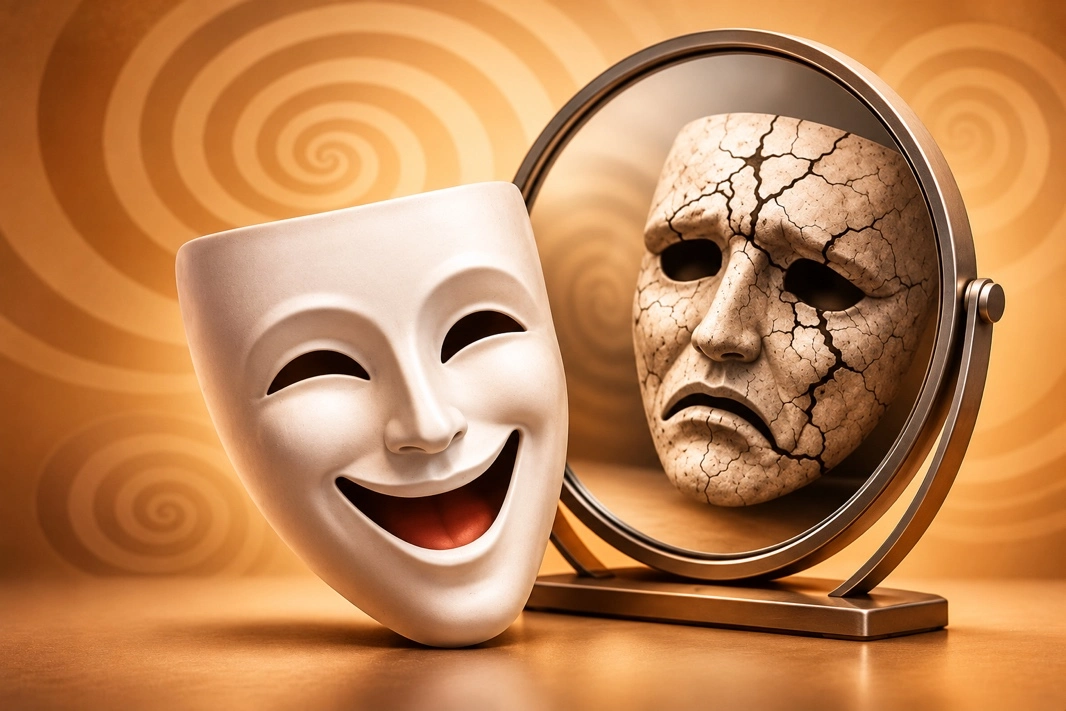
Marketing experts call this normal, legal business. I call it what it really is: deception.
Just because an advertising practice is widespread and makes companies millions does not make it honest. When a public figure is paid to claim they get real results from a product or service they never actually use in real life, that is not harmless promotion. It is a flat-out lie dressed up as trusted advice.
For decades, traditional ads on TV, radio, and print relied on celebrities to sell everyday goods. Today, social media has only made the illusion more personal. Influencers act like your close friend, exploiting your trust to push products they throw in the trash the moment the camera stops rolling.
Think about how absurd these endorsements really are:
Skincare and Beauty: A star with access to top dermatologists and heavy camera filters holds up a cheap lotion on a billboard or Instagram reel and claims it cleared their skin.
Weight Loss and Fitness: Celebrities whose bodies come from personal trainers or surgery tell radio listeners and followers that a “detox tea” gave them a flat stomach.
Tech and Finance: Entertainers praise specific Android phones while posting from iPhones, or promote risky betting and investment apps as the secret to wealth when their real money comes from entertainment deals.
On paper, consumer watchdogs like Nigeria’s FCCPC and ARCON, just like the FTC abroad, state that faking product usage is illegal. Even putting #ad on a post does not give anyone a license to lie.
But rules on paper mean nothing without real enforcement. If authorities are truly working to protect everyday consumers from losing their hard-earned money, they must go beyond waiting for public outrage. Regulators need to actively investigate these claims across both traditional media and social platforms, demanding proof of product usage, auditing creative scripts, and publicly penalizing brands and celebrities who fabricate results.
Paid awareness is one thing, but paid fabrication is a betrayal of public trust. The next time a celebrity raves about a “miracle” product on TV, radio, or your phone screen, ask yourself: Would they still use this if nobody was paying them? Nine times out of ten, you already know the answer.
SUBSCRIBE TO OUR NEWSLETTER
by Kingsley Onwukaeme