
Everyone Wants to Advertise on the Expressway, But Who Is Talking to the Neighbourhood?
Everyone wants the big road. The busy expressway. The strategic junction. The location with impressive traffic numbers.
And understandably so. These places offer visibility and the possibility of reaching large audiences.
But while brands compete for attention along major roads, an important question remains: Who is talking to the people in the neighbourhoods where Nigerians live, work, shop and do business?
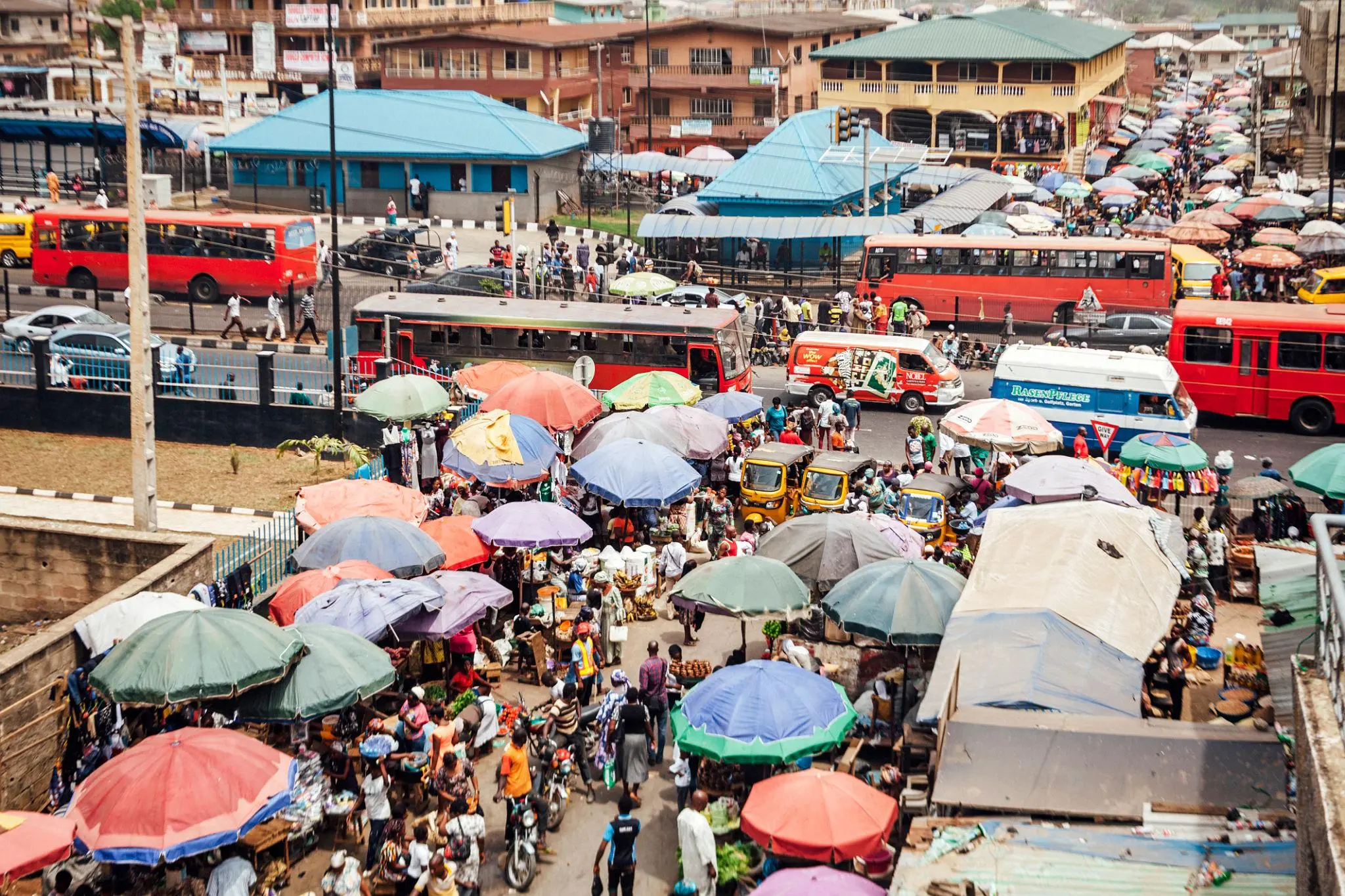
Nigeria’s communities are more than residential addresses. They are distinct economic environments, shaped by commercial activities, commuting patterns, occupations and everyday consumer needs.
For an industry built around reaching audiences, understanding these environments should be part of the media-planning conversation.
Let’s look at what some communities across Nigeria’s six geopolitical zones reveal.

1. South West: Festac and Ikorodu, Lagos
Lagos is a major OOH market, but its communities offer different audience opportunities.
Festac was developed to accommodate participants in the 1977 Festival of Arts and Culture. Today, it is a multicultural residential and commercial community, home to professionals, civil servants, business owners and residents from different parts of Nigeria.
Beyond its history, Festac has an active neighbourhood economy. Residents shop, run businesses, attend schools and make everyday purchasing decisions within the community. These activities make it worth considering for brands in FMCG, telecommunications, financial services and retail.
Ikorodu offers a different audience environment. It combines residential life, local commerce and a strong commuter connection to the wider Lagos economy.
A study involving 379 residents found that approximately 39% commuted daily, while 54% identified work as their reason for commuting. Although based on earlier fieldwork, the findings highlight the relationship between residential communities and employment destinations.
Festac and Ikorodu are both Lagos communities, but their audience patterns differ. Their advertising strategies should reflect that.
South East: Onitsha and Enugu
In the South East, commercial activity offers a compelling reason to look beyond major roads.
Onitsha Main Market attracts traders, wholesalers, retailers, customers and distributors from different parts of Nigeria. Its commercial influence extends beyond the people who live in the city.
UN-Habitat’s Onitsha Urban Profile identifies the Main Market as a central commercial district, with trading and transport corridors shaping the city’s development.
For brands in logistics, financial services, telecommunications and consumer goods, this creates an audience environment worth understanding.
In Enugu, Ogbete Main Market and its surrounding commercial areas bring together traders, customers, suppliers and small-business owners.
The opportunity is not simply to place a billboard beside a market. It is to understand the people who keep that market moving and the businesses that depend on it.
South South: Diobu and Rumuokoro, Port Harcourt
Port Harcourt offers two useful examples of how local economic activity can shape OOH opportunities.
Diobu, particularly around Mile 1 Market, is a commercial environment with retail businesses, artisans, timber-related activities and informal enterprises.
Rumuokoro combines transport activity with roadside commerce. Traders, commuters, transport operators and pedestrians share this busy environment.
The distinction matters. Someone moving through Rumuokoro may not simply be passing through; they may be shopping, transporting goods, making deliveries or running a business.
For brands in construction, logistics, financial services, telecommunications and consumer goods, these activities offer reasons to examine the area beyond its traffic volume.
North Central: Wuse and Kubwa, Abuja
Abuja presents a useful contrast between commercial and residential audiences.
Wuse is a recognised business and commercial district, with offices, retail properties and professional activity. A 2025 study of commercial properties across 12 Wuse road corridors found an association between traffic levels, rental demand and commercial property values. This does not establish advertising effectiveness, but it illustrates the commercial significance of location.
Kubwa, on the other hand, offers a residential perspective. Its neighbourhood retail, household activity and transport connections make it a different environment from Wuse.
A campaign targeting office workers and business owners may require a different placement strategy from one targeting households and everyday consumers.
North West: Sabon Gari and Dawanau, Kano
Kano demonstrates why understanding the economic identity of a neighbourhood matters.
Sabon Gari has a long history as a migrant settlement and commercial district. Historical research documents traders and workers from different parts of Nigeria, including Yoruba and Igbo communities. Its history shows how migration and commerce can shape a neighbourhood.
Dawanau is a major grain-trading market, connecting merchants, wholesalers, suppliers and agricultural businesses.
These are not just audiences for conventional consumer advertising. They are also part of commercial and distribution networks.
Brands in agriculture, logistics, food processing, financial services and business technology have reason to understand where these audiences gather and how they operate.
North East: Monday Market and Bulumkutu, Maiduguri
Maiduguri adds another dimension to the conversation.
Despite the economic and security challenges the city has experienced, residents continue to participate in trading, small businesses and local services.
The African Cities Research Consortium’s 2024 Maiduguri City Report draws on extensive resident research and interviews to examine livelihoods, security and urban development.
The Monday Market axis offers a clear commercial environment, bringing together traders, customers and local businesses.
Bulumkutu offers a potential residential-community case study, although more neighbourhood-level research is needed before making detailed claims about its population or consumer profile.
The important point is that Maiduguri’s communities should be understood through their people, livelihoods and local economic activities, not only through the challenges associated with the region.
What This Means for OOH Media Planning
Across these locations, one thing stands out: there is no single type of OOH audience.
A wholesale market, residential neighbourhood, commuter corridor and office district serve different purposes. Their value depends on the audience a brand wants to reach and what it wants the campaign to achieve.
A major expressway may provide broad exposure. A market corridor may offer access to traders and business owners. A residential community may create opportunities to connect with households repeatedly.
None is automatically better than the other.
The industry needs to ask more useful questions when evaluating locations:
- Who lives, works or does business around this structure?
- What brings people into the area?
- Where do they shop and spend their time?
- Does the location match the campaign’s intended audience?
- Can the intended audience actually see the advertisement?
Media owners need a better understanding of the communities surrounding their inventory. Agencies need to connect location decisions to campaign objectives. Advertisers should look beyond traffic figures and ask what audience they are paying to reach.
The Next OOH Opportunity May Be Closer Than We Think
The future of outdoor advertising in Nigeria should not be measured only by how many structures appear along major roads. It should also be measured by how well the industry understands the people behind those locations.
Festac, Ikorodu, Onitsha, Enugu, Port Harcourt, Abuja, Kano and Maiduguri each present different social and economic environments. The opportunity is not to put billboards everywhere. It is to identify where a brand has a meaningful reason to be.
People do not become consumers only when they enter an expressway. They are consumers at neighbourhood shops, local markets, workplaces and the communities they call home.
Perhaps the next big OOH opportunity isn’t another busy road. Perhaps it’s understanding the neighbourhood just around the corner.
Frequently Asked Questions
What is OOH advertising?
Out-of-Home (OOH) advertising reaches people outside their homes through formats such as billboards, digital screens, street furniture and transit advertising.
Why should brands consider neighbourhood advertising?
Neighbourhood advertising can help brands reach audiences within the environments where they live, shop, work and conduct business. It can complement campaigns on major roads.
Is a busy expressway always the best billboard location?
Not necessarily. Traffic volume matters, but so do audience relevance, visibility, viewing conditions and campaign objectives.
How should brands choose an OOH advertising location?
Brands should consider the intended audience, surrounding activities, commuting patterns, visibility and the location’s relevance to the campaign.
The LOMA Industry Question
Are Nigerian brands concentrating too heavily on major roads while overlooking the commercial and consumer opportunities within local communities?
What would change if media planning began with understanding people and their everyday environments before selecting the advertising location?
Maybe it is time we stopped asking only where we can put a billboard and started asking where a brand needs to meet its audience.


